Cavity Prevention in Springdale, AR is often surrounded by myths and misunderstandings, making it tricky to know what really keeps your smile healthy. At Infinity Dental & Laser Center in Fayetteville, we welcome patients from Springdale and across Northwest Arkansas for trusted, modern dental care. Here, we break down the real causes of tooth decay and the best ways to prevent cavities, so you can feel confident about caring for your teeth every day.
Myth or Fact: Only Sugar Causes Cavities?
Many people believe that eating candy is the only thing that causes cavities. While sugary foods and drinks do increase your risk, cavities actually develop because certain bacteria in your mouth feed on carbohydrates—like bread, pasta, and crackers—as well as sugar. These bacteria then produce acids that erode tooth enamel. Whether you’re in Springdale, Prairie Grove, or Fayetteville, it’s important to realize that anyone can develop cavities, regardless of diet, especially if brushing and flossing habits aren’t consistent.
Understanding the Real Risk Factors
Genetics, age, and even the shape of your teeth all play roles in your risk for cavities. Deep grooves on chewing surfaces can trap food and bacteria, making thorough cleaning difficult. Additionally, dry mouth or certain medications can reduce saliva, which normally helps rinse away acid and bacteria. Patients from Tontitown and Lincoln are often surprised to learn that even those with excellent brushing habits may still need professional help to prevent cavities, especially if risk factors are present.
Myth or Fact: Brushing Alone Prevents Cavities
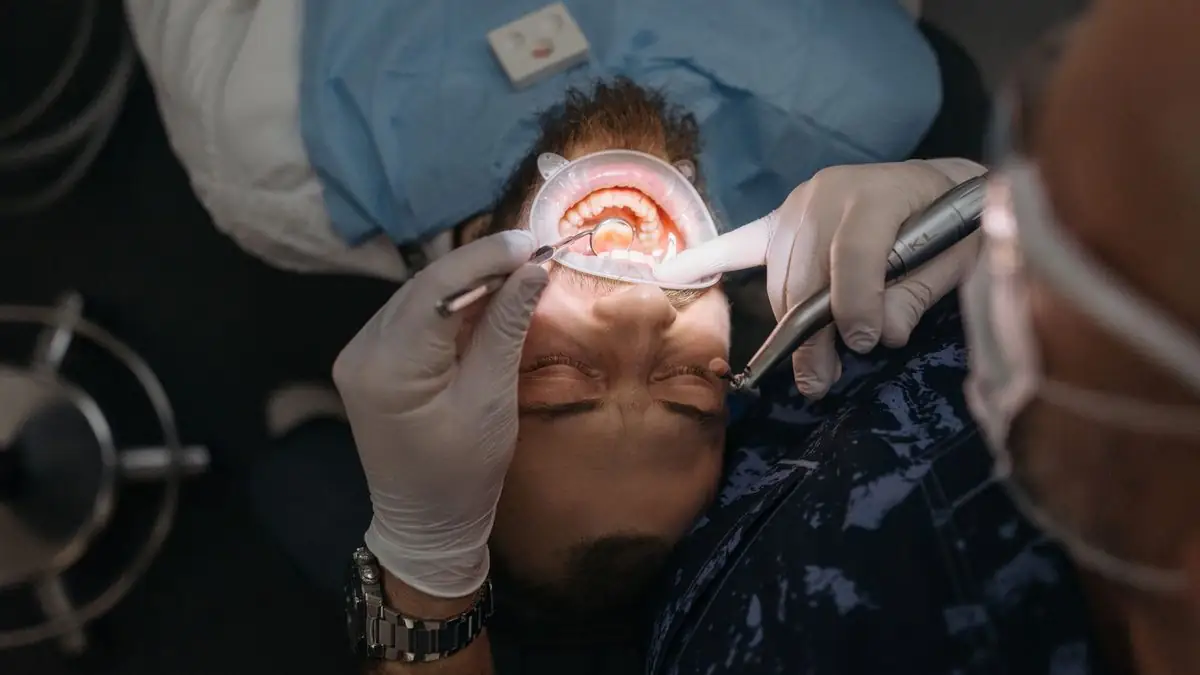
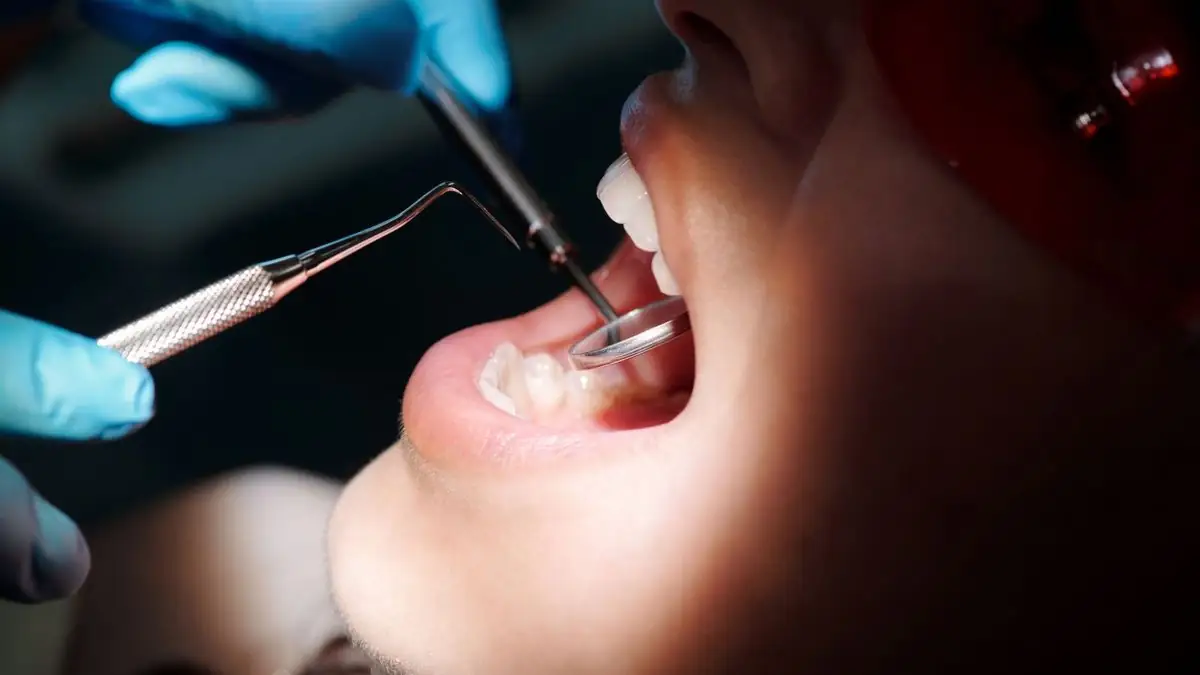
Daily brushing and flossing are essential, but they aren’t always enough on their own to stop cavities from forming. Bacteria and plaque can hide in places your toothbrush can’t reach. That’s why regular dental exams and professional cleanings at our Fayetteville office play such a critical role in ongoing cavity prevention. During each visit, the Infinity Dental & Laser Center team uses digital x-rays and thorough exams to detect early signs of decay, even before you notice any symptoms.
Symptoms: Can You Always Feel a Cavity Starting?
It’s a common myth that you’ll always feel pain or sensitivity when a cavity is forming. In reality, early tooth decay often develops with no obvious symptoms. By the time discomfort arises, the cavity may already be advanced. This is why maintaining your regular checkups is so important for early detection and prevention. Our routine exams include a close look at your teeth and gums, along with digital x-ray images if needed to spot issues below the surface.
Everyday Steps for True Cavity Prevention
- Brush twice daily with fluoride toothpaste, making sure to reach every tooth surface.
- Floss every day to remove plaque and trapped food between teeth.
- Rinse with water after meals if brushing isn’t possible, especially after eating sticky foods.
- Choose tooth-friendly snacks, like cheese or crunchy vegetables, which help stimulate saliva and protect enamel.
- Schedule dental checkups at least twice a year at our Fayetteville location for thorough cleanings and practical advice.
Our Preventative Dental Care page offers more tips tailored for your oral health. If you have questions about general oral hygiene, visit our General Care page or get in touch any time.
How Infinity Dental & Laser Center Supports Your Smile
Infinity Dental & Laser Center has provided family dental care for the Springdale community and all of Northwest Arkansas since 1976. When you come to our Fayetteville office at 2101 Green Acres Rd, you’ll receive a comprehensive dental exam, digital x-rays as needed, and a professional cleaning. Our team may recommend additional preventive measures, like fluoride treatments or advice specific to your needs. For patients with gum health concerns, we offer non-surgical periodontal treatments, including advanced laser procedures. You can learn more about available technology and services by browsing our Laser Treatments page or reaching out for more information.
Fact: Regular Checkups Make a Real Difference
Whether you live in Lincoln, Prairie Grove, Tontitown, or Springdale, making regular dental visits part of your routine is one of the most effective steps for cavity prevention. Remember, the earlier a potential problem is spotted, the easier it is to address. Our welcoming Fayetteville office serves families from all across the area and is committed to helping you maintain lasting oral health. If you’re ready to schedule your next preventative visit, call or text Infinity Dental & Laser Center at 479.521.4822 (Monday–Thursday, 8:00 AM to 5:00 PM), or visit us at 2101 Green Acres Rd, Fayetteville. Your healthiest smile starts with the facts—and the right partner in dental care.
Frequently asked questions
Can I prevent cavities without visiting the dentist regularly?
While good home care like brushing and flossing helps, professional checkups and cleanings are key for truly effective cavity prevention. Dentists can spot problems early and give tailored advice based on your specific needs.
Do children and adults need different cavity prevention routines?
Both children and adults benefit from brushing twice daily, flossing, and regular dental checkups. Kids may need extra guidance on technique, and adults might require additional preventive care depending on their oral health.
How does digital x-ray technology help detect cavities early?
Digital x-rays allow your dentist to see inside and between teeth, revealing decay that isn’t visible during a visual exam. This technology helps identify cavities at earlier stages, so treatment can be less invasive.
Are cavity symptoms always obvious, like pain or sensitivity?
No—early cavities often don’t cause pain or noticeable symptoms. That’s why routine dental exams at our Fayetteville office are so important for catching tooth decay before it advances.
What should I do if I have a high risk of cavities?
If you have factors like deep grooves in your teeth, dry mouth, or a history of frequent cavities, talk to your dentist at Infinity Dental & Laser Center. They can suggest personalized strategies or preventive treatments to help protect your smile.